

Downloadable forms
Eviction and civil process forms library
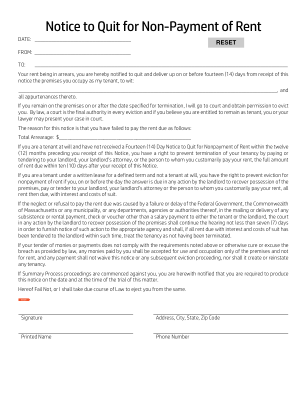
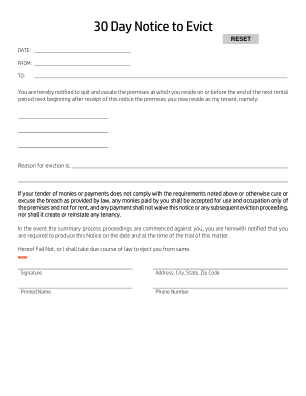
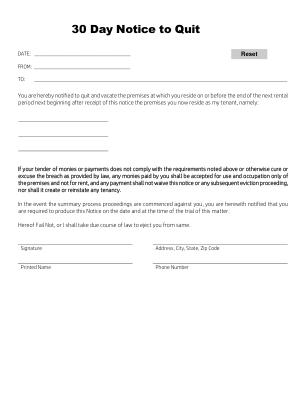
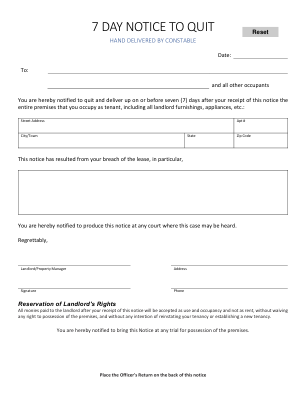
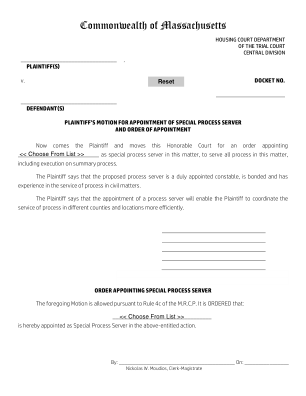
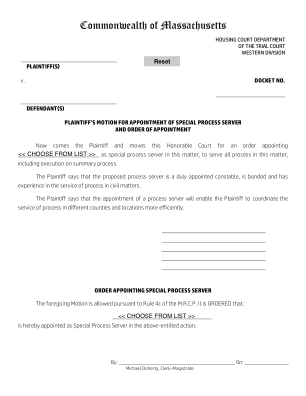
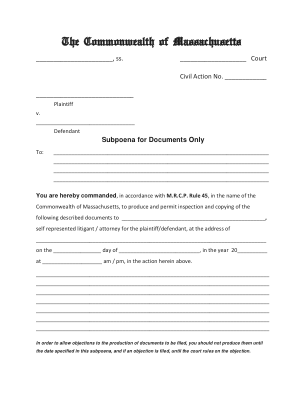
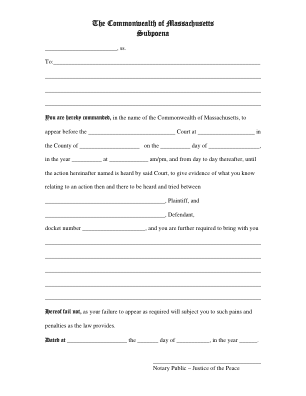
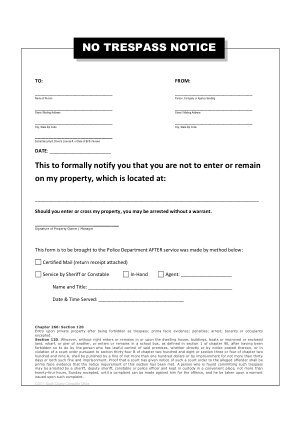
Download commonly used Notices to Quit, accompanying forms, 4(c) motions, subpoenas, and related documents. Thumbnails let you visually confirm you are opening the right form before you download it.
About the forms on this website
These forms are provided as a convenience and are based on versions that are widely available online. We are not endorsing any particular template and we are not saying that one version of a form is better, safer, or more correct than another.
Your case, your court, and your goals are specific to you. For advice on which form to use, how to complete it, what language to include, or whether a different document would be better in your situation, you should talk with a qualified Massachusetts attorney who handles this kind of work regularly.
Important for landlords – Nonpayment Notices to Quit
For residential nonpayment of rent cases, Massachusetts law currently requires more than just a Notice to Quit. As of April 1, 2023, when a landlord serves a Notice to Quit for nonpayment on a residential tenant, the landlord must also:
(1) give the tenant a completed state “Form to Accompany Residential Notice to Quit”, which explains rental assistance options, relevant Trial Court rules, standing or emergency administrative orders about summary process, and any applicable federal or state limits on residential evictions; and (2) provide documentation of any agreements between the landlord and tenant for repayment of past-due rent.
This requirement is set out in Massachusetts General Laws, Chapter 186, Section 31. Our role is to serve the paperwork you provide and document what we did. We do not decide which forms are required in your case and we cannot give legal advice about compliance. For that, you should consult a Massachusetts housing attorney.
Eviction focused forms
These forms are geared toward Massachusetts residential eviction work. They do not replace court-issued forms and they are not legal advice. You are responsible for choosing the correct forms for your situation.
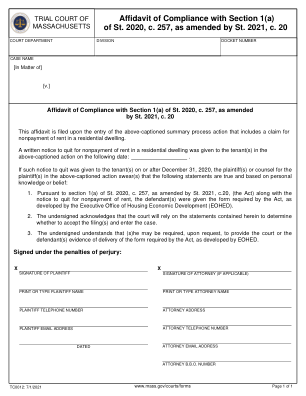
4(c) motions, subpoenas, and property-related forms
Forms that support special process server appointments, subpoenas, and basic property management notices. Attorneys should confirm these match current court practice before filing or serving them.
Not sure which form belongs in your case
You can email your documents and deadlines directly to office@maconstable.com. We will explain what we can do as a constable service and how we would handle service and documentation. For advice on what you should file or say in court, you should work with a Massachusetts attorney.
You can email your documents and deadlines directly to office@maconstable.com. We will explain what we can do as a constable service and how we would handle service and documentation. For advice on what you should file or say in court, you should work with a Massachusetts attorney.